
What to Know About Vitamin K: Food Sources and Functions
A guide to vitamin K foods and functions: the K1 greens, the K2 fermented picks, NIH intake benchmarks, bone evidence, and the warfarin rule.
Nutrition covers food as it is actually bought and cooked: portions, labels, sodium and sugar content, budget substitutions, and the small number of supplements worth considering. Guidance is specific enough to use inside a supermarket, and claims about a food curing something get checked before publication.
Eating guidance for real kitchens: portion sizes, what a label hides, cooking swaps that keep meals edible, and supplement claims held to the evidence.
A guide to vitamin K foods and functions: the K1 greens, the K2 fermented picks, NIH intake benchmarks, bone evidence, and the warfarin rule.

Nearly 400 people turned out in Lisle for a talk on losing fat while keeping muscle, part of a three-part series blending medicine, nutrition and meditation.
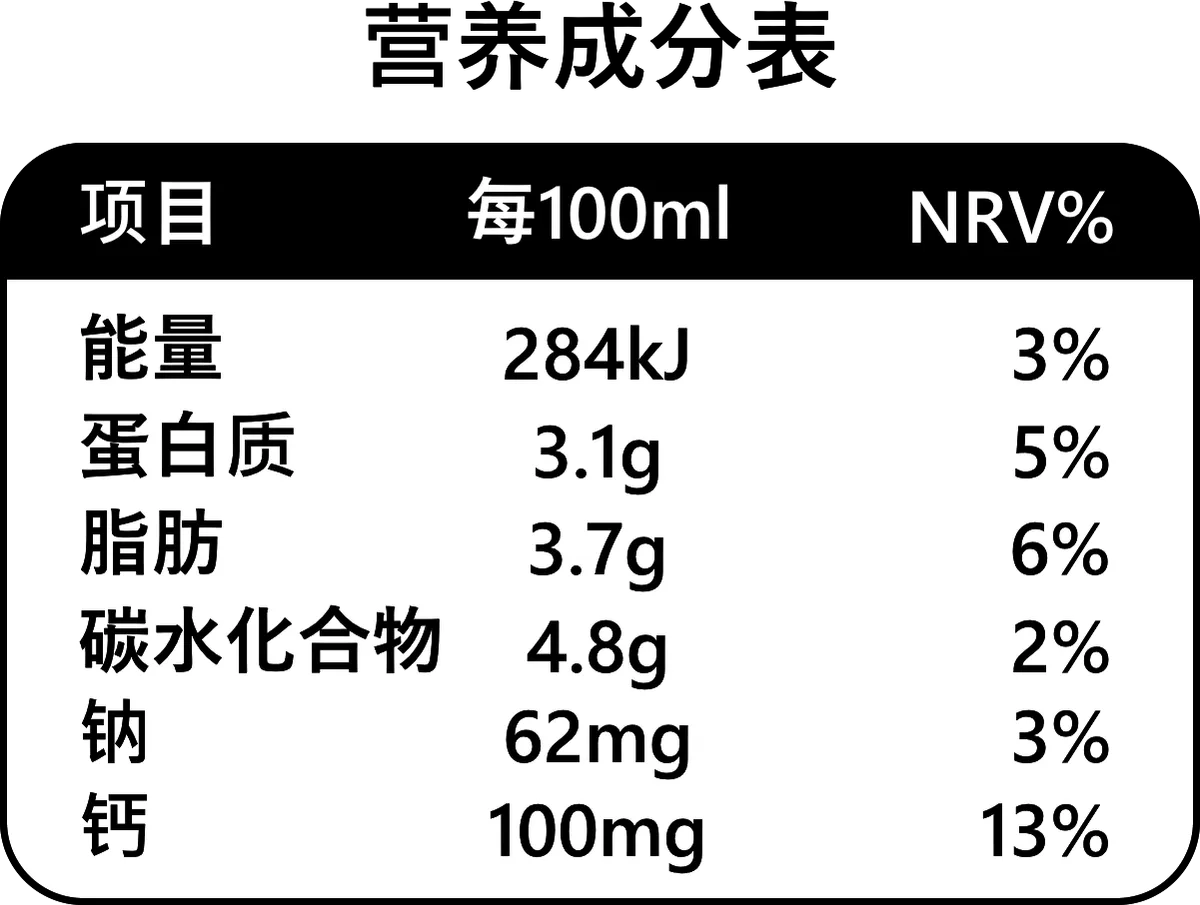
Nutrition labels follow one fixed design, and two lines bend everything else: serving size and percent daily value. Here is how to read both, plus the ingredient list.
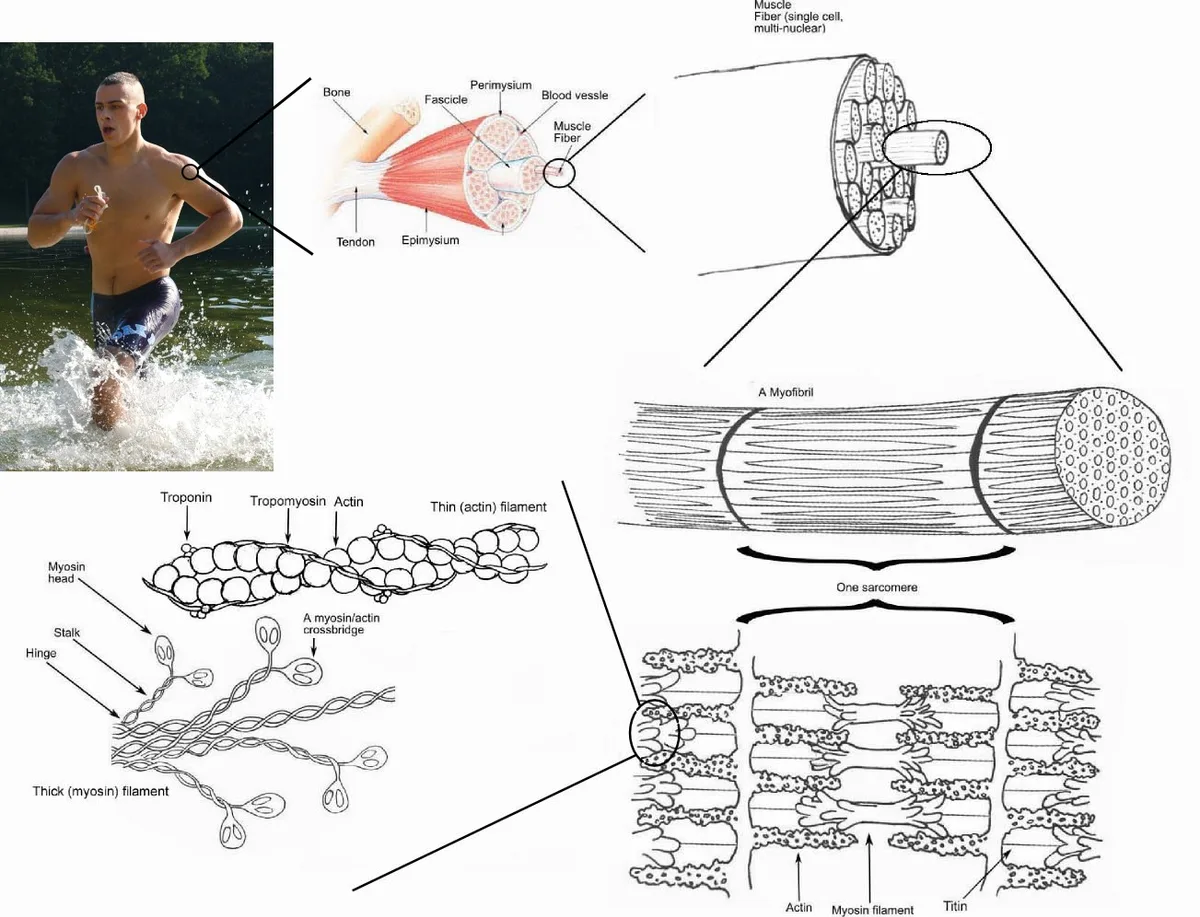
A new expert review argues muscle should be a primary target of nutrition care, not an afterthought.

Iron deficiency is the most common nutritional deficiency worldwide, per the World Health Organization's estimates, and its early symptoms — fatigue, pale skin, breathlessness — are easy to misattribute.
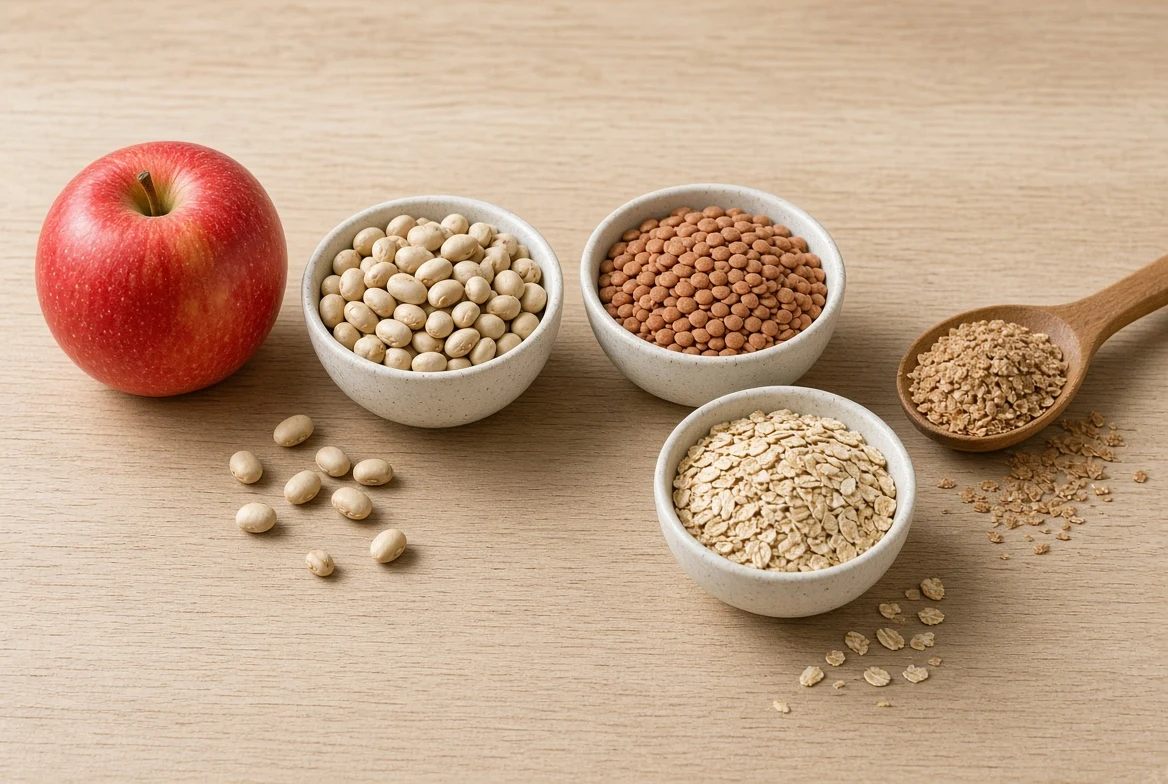
What fiber is, what the intake figures from the Institute of Medicine, the FDA, and the WHO actually say, and what the largest evidence synthesis to date can and cannot show.