
What to Know About Blue Light and Eye Strain
Screen soreness is real, retinal damage from devices is not. What the Academy and two peer-reviewed reviews found, plus the habits that ease the ache.
Wellness examines rest, stress and routine as health inputs rather than lifestyle purchases. Coverage includes sleep timing, wind-down habits, breathing techniques, movement as mood regulation, and time outdoors. Each practice is described alongside the strength of evidence behind it, so effort goes where it returns something.
Sleep, stress and daily routine covered for effect, separating habits that change a measurable outcome from those that merely feel productive.
Screen soreness is real, retinal damage from devices is not. What the Academy and two peer-reviewed reviews found, plus the habits that ease the ache.

Adaptogen labels promise calm and focus. A 2012 trial backs one herb for stress scores, while federal reviewers and safety notes tell a narrower story.
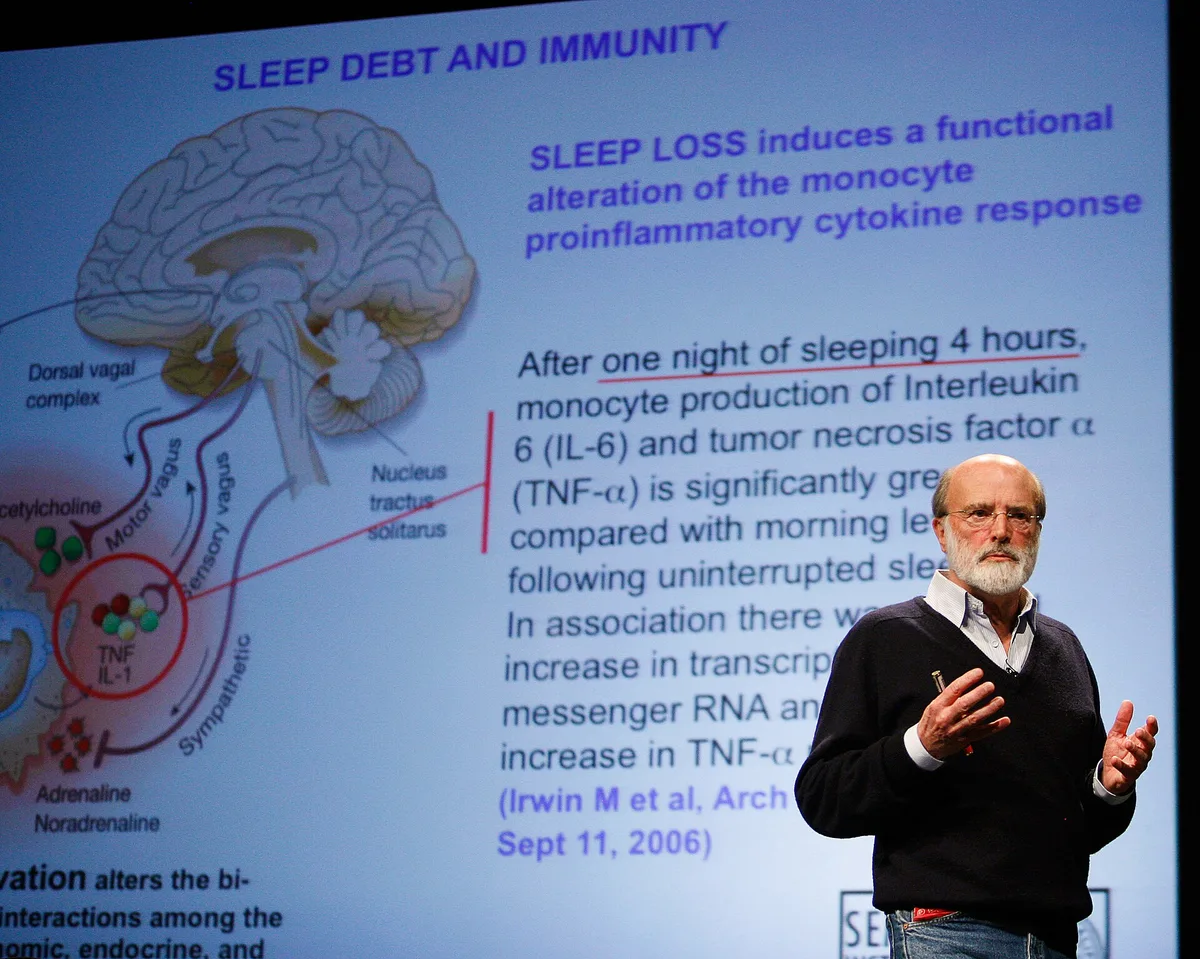
Missed sleep adds up over days and weeks. Here is what the evidence says about how it builds, what recovery can and cannot fix, and when to see a clinician.

Vitamin D's role in bone health is firmly established; claims about cancer prevention, heart disease, and immunity rest on much thinner evidence — the largest trial found no significant reduction in either.
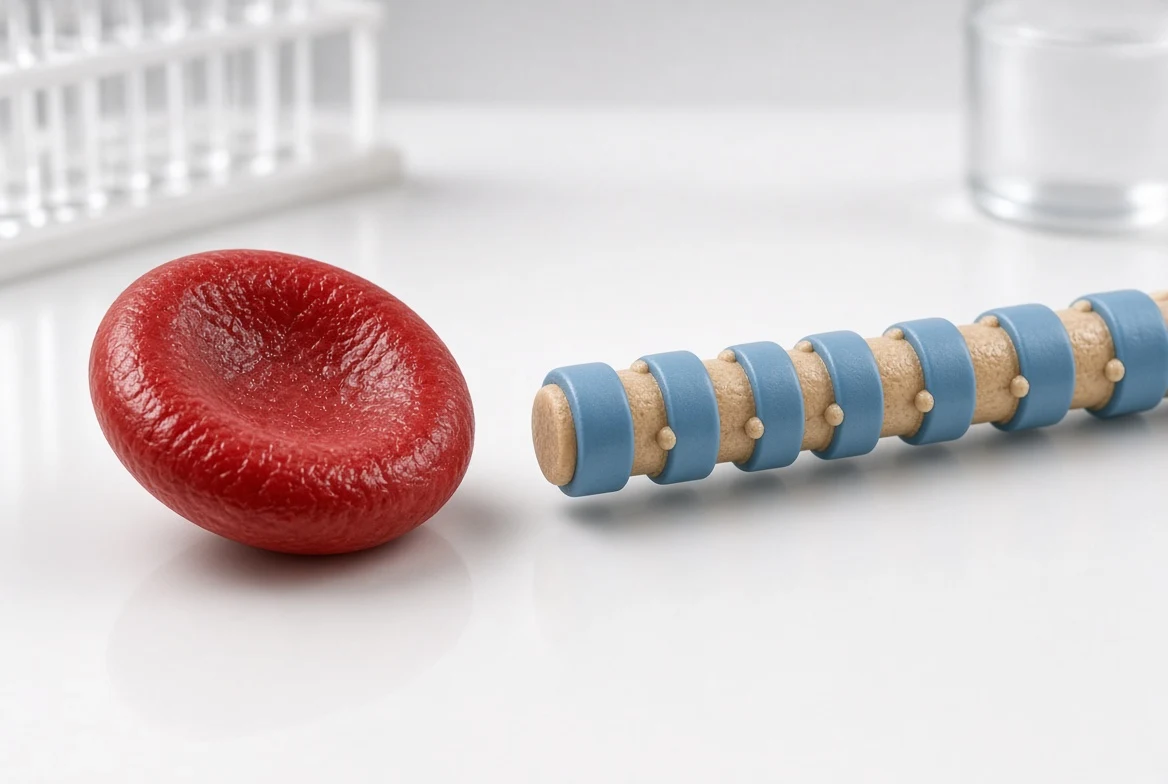
The vitamin supports nerve function, red blood cell formation, and DNA synthesis, and deficiency can develop quietly over years, particularly in older adults.
How evening screen use delays sleep, what studies of blue light actually measure, and which timing changes move the needle most.