The Beauty Supply Aisle Decoded: Ingredients That Deliver
Which actives in skincare and haircare have real research behind them, and which are mostly marketing.
Beauty assesses skincare and haircare by ingredient, concentration and delivery, comparing marketing language against dermatological evidence. Coverage includes sun protection, retinoids, acne treatment, hair loss and the gap between a cosmetic effect and a clinical one. For readers deciding what needs a prescription.
Skin and hair care judged on ingredients and concentration rather than packaging, covering what a formulation achieves and what needs a clinic instead.
Which actives in skincare and haircare have real research behind them, and which are mostly marketing.

A new Global Nutrition Report argues that integration across food, health, and social protection systems — plus real accountability — is the way forward.

Some skincare steps earn their place through decades of research. Others earn it through marketing. Here is how the steps compare, and where the honest uncertainty sits.
Texture, filters, and honest habits matter more than the number on the bottle.
Every color in a cosmetic product, from a mineral blush to a synthetic lipstick pigment, is regulated under a decades-old federal system. Here is how the approval process works and why it still bars a dye that is only now being phased out of food.
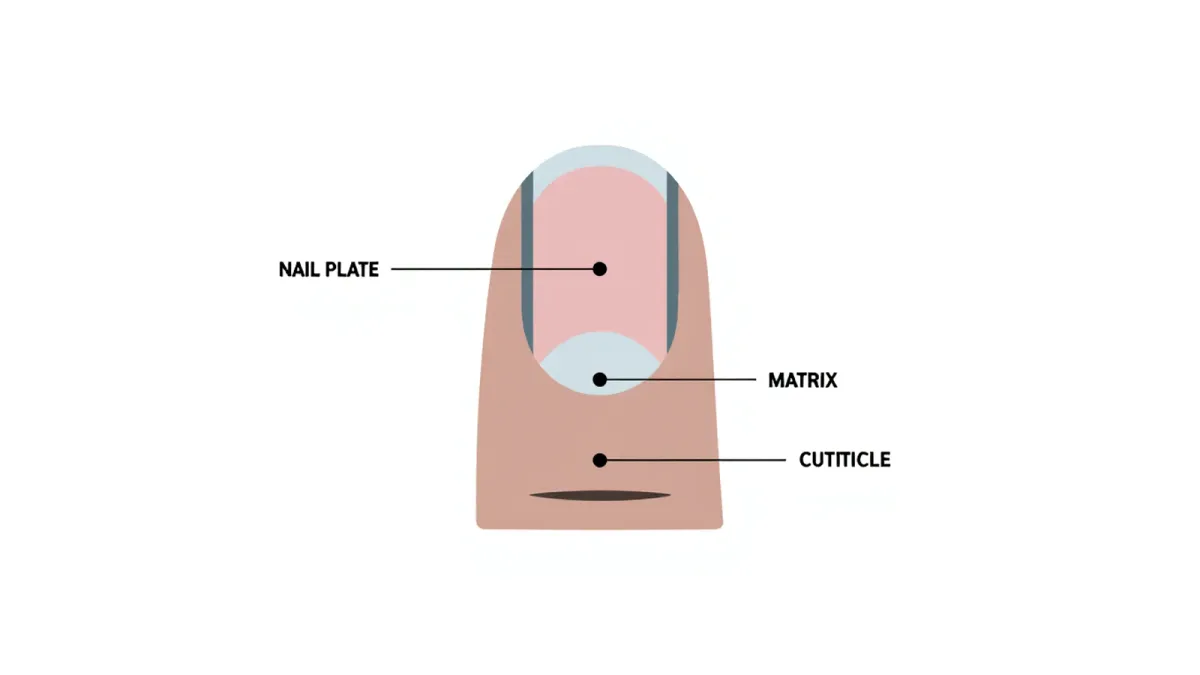
Ridging, white spots, and slow growth are usually benign, while some nail changes, including certain discolorations and sudden multiple-nail changes, merit medical evaluation.