
What to Know About Tetanus Boosters for Adults
Tetanus boosters run on a ten-year rhythm for adults, with a shorter five-year rule after dirty or major wounds. The CDC's 2026 guidance explains the timing and the warning signs.
Prevention sets out what to book and when: screening by age and risk group, adult vaccination schedules, routine checks, and the lifestyle changes with the largest measured effect. Articles explain what a positive result triggers next, so readers know the whole sequence before agreeing to a first step.
Which screening tests apply at your age, what each shot covers, and how to weigh a risk percentage without panicking or ignoring it.
Tetanus boosters run on a ten-year rhythm for adults, with a shorter five-year rule after dirty or major wounds. The CDC's 2026 guidance explains the timing and the warning signs.
What screening is, why the schedule changes over a lifetime, and how to find out which tests apply.
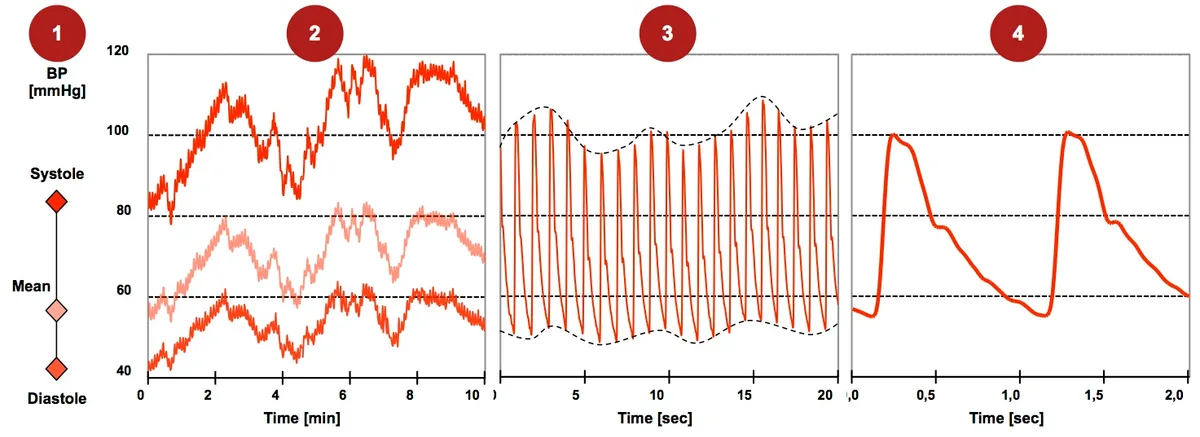
Blood pressure categories turn two numbers into context. Here are the standard thresholds, why readings shift by setting and time of day, and what the ranges track.

A Cornell internship program pairs students with a disability-care nonprofit. The work is promising, but most of it is early-stage.

The oldest slogan in medicine has a long history, and modern screening shows both what it delivers and where it falls short.
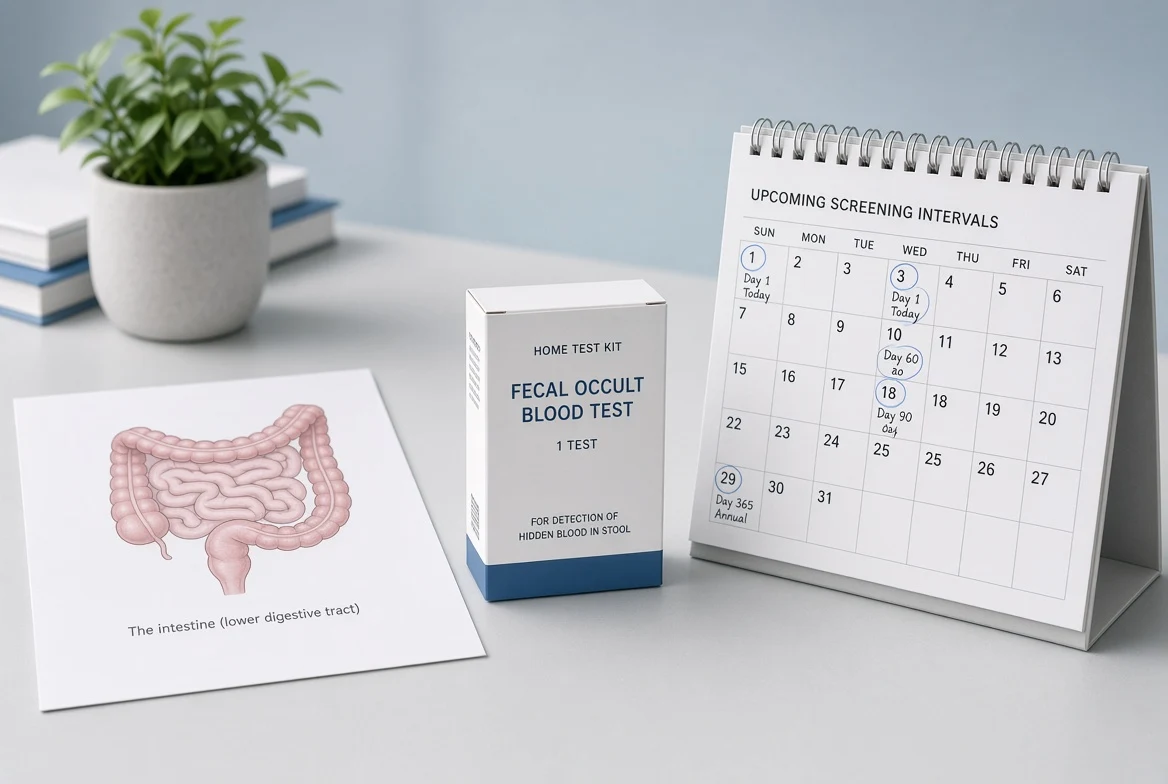
Screening now starts at 45 for adults at average risk, and the test menu has grown beyond colonoscopy. Here is what the guidelines actually recommend, and why the options differ.