Plant-Based Diets and Nutrient Gaps: What Gets Missed
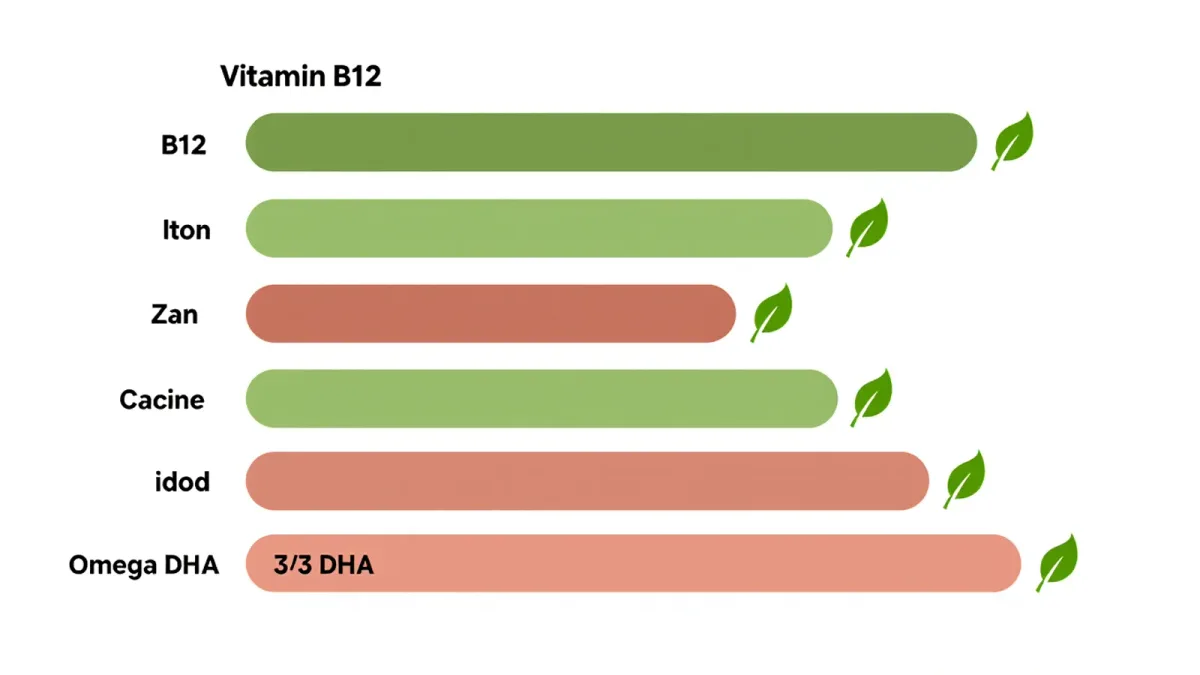
Well-planned vegetarian and vegan diets are nutritionally adequate per the Academy of Nutrition and Dietetics, but vitamin B12, iron, zinc, calcium, iodine, and omega-3 status warrant attention.
Nutrition covers food as it is actually bought and cooked: portions, labels, sodium and sugar content, budget substitutions, and the small number of supplements worth considering. Guidance is specific enough to use inside a supermarket, and claims about a food curing something get checked before publication.
Eating guidance for real kitchens: portion sizes, what a label hides, cooking swaps that keep meals edible, and supplement claims held to the evidence.
Well-planned vegetarian and vegan diets are nutritionally adequate per the Academy of Nutrition and Dietetics, but vitamin B12, iron, zinc, calcium, iodine, and omega-3 status warrant attention.

Federal guidance sets a 2,300-milligram daily sodium limit, while the average American consumes about 3,400 milligrams — mostly from processed and restaurant food.

Decades of trials support creatine monohydrate for strength and short-burst power gains, while claims about hair loss, kidneys, and cognition remain unsettled.

Federal guidance caps added sugars at 10 percent of daily calories, while the American Heart Association suggests tighter limits of about 25 grams for women and 36 for men.
Evidence supports probiotics for antibiotic-associated diarrhea and some gut conditions, while marketing claims about immunity and mood outrun the trial record.

Randomized trials find time-restricted eating produces modest weight loss similar to ordinary calorie restriction, with open questions about long-term safety and heart outcomes.